
Domestic Violence Awareness Part 2
Being a victim of Domestic Violence
Sometimes, when a victim is used to hearing things or being treated a certain way from other people in their life, like a parent for example, it can be harder to realize when a partner is treating them with abuse. If it is normal for the victim, why would they see anything their partner does as wrong?
I was in a relationship for years where domestic violence was present and I had no idea until years after the relationship ended. I thought, “well, he never hit me so it must not be abuse.” But domestic violence is more than just physical. It can cause wounds beneath the skin that no one can see.
Something about domestic violence and abuse is that there is mental reconstruction from manipulation an abuser uses to assert control. In my past relationship, there was a lot of gaslighting, manipulation, guilt-tripping, digital and physical monitoring, controlling behavior, projection, isolation, and more. There was so much fighting and toxicity. I was also in dangerous situations with physical violence with those around us. My nervous system was destroyed. I walked on eggshells for so long just to try and keep the peace. I doubted my own reality and centered my worth based on their approval and view of me.
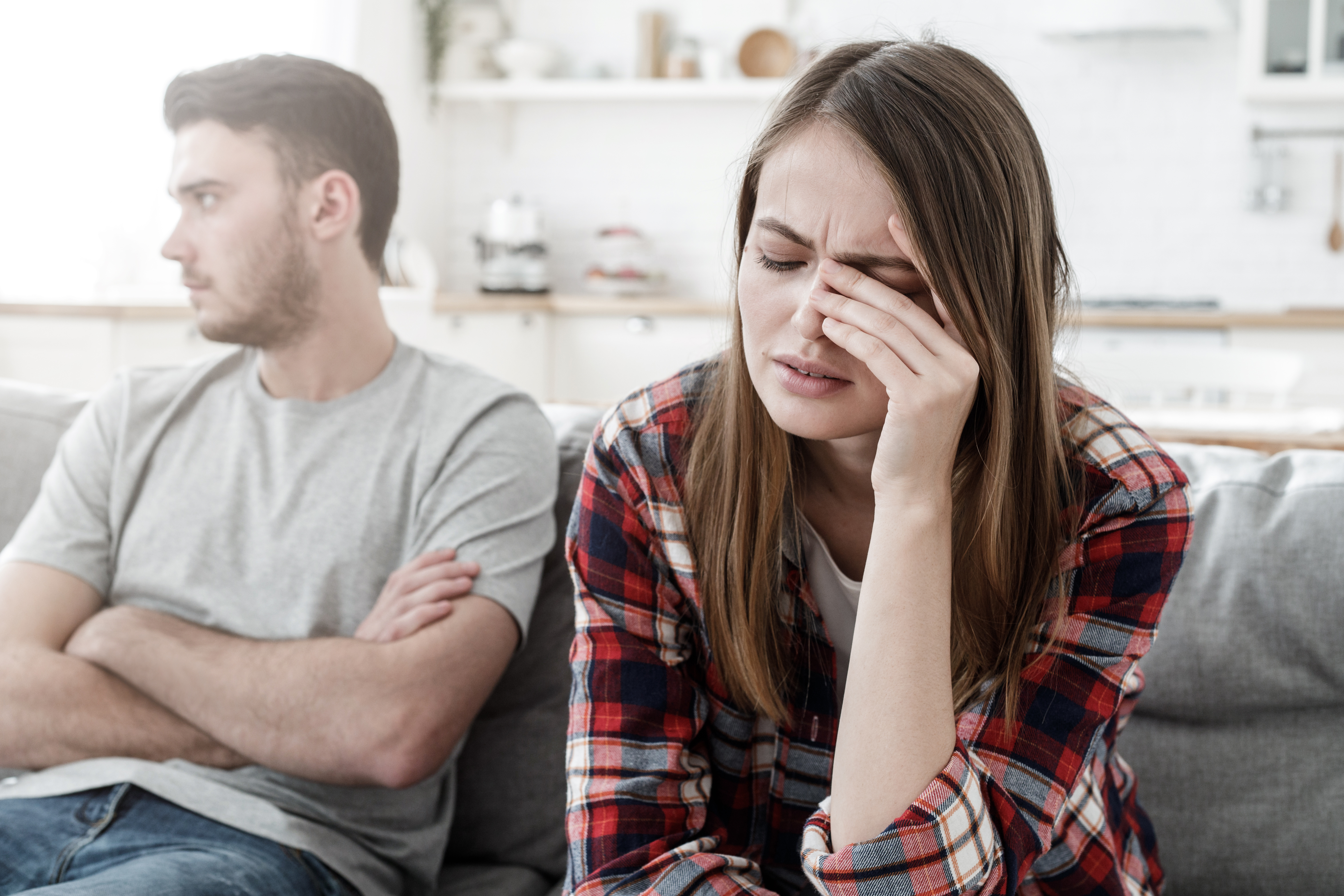
The hardest part was realizing what was going on. Often, when you are in a situation for so long you feel obligated to stay. You hear everyone talk about staying even when it’s hard. I was convinced I deserved the treatment I received. I would often say, “I’m not perfect either,” so it was hard for me to feel like I was allowed to judge what was being done to me. I got triggered easily and would yell back, I would get aggressive when I felt like I was not being heard, and I had issues with using substances to cope with the stress. Understandably, this did negatively impact the relationship.
They say it takes an average of 7 times to leave a toxic situation. It took me about 3 or 4 times.
Once I finally got out, it was really hard at first. People would ask, “why do you keep going back? Don’t you know you deserve better?” And I would always think, well, I’m in the wrong a lot so I can’t judge him. I didn’t realize that even though I was flawed, it didn’t mean I deserved to be treated a certain way. It is easy to keep going back to what is familiar, even if it is not always healthy.
We often choose partners that resemble relationships we’ve been influenced by in our childhood. For me, I saw my parents being toxic and violent. As a kid, you just wish for your parents to change and see that you are worthy of loving enough to change. When they don’t, you move on to adult relationships wanting the same thing. You hope, maybe this person will love me enough to change. Or, maybe I can change them since I couldn’t change my parents. Sadly, that is usually a losing battle.
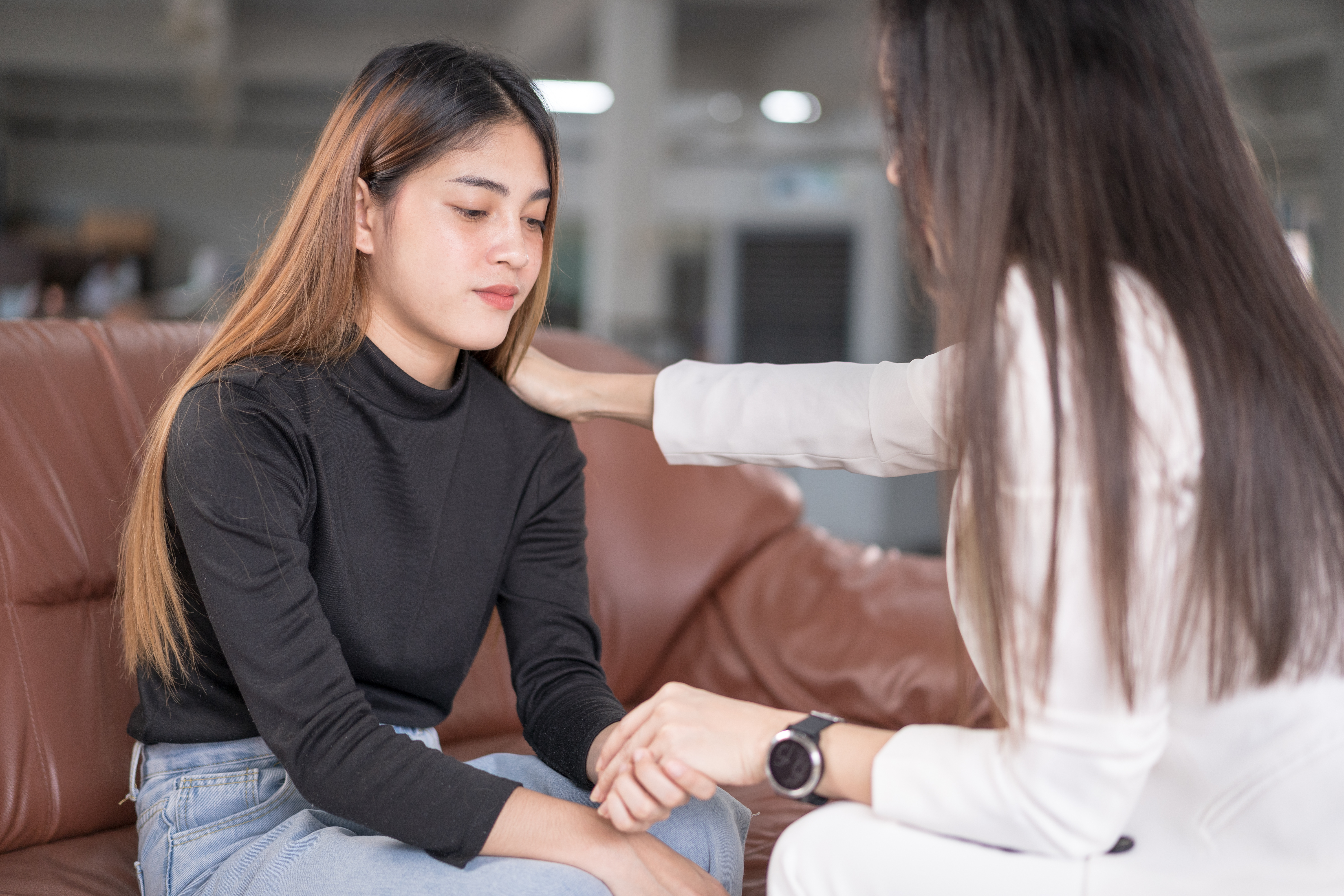
Healing from that relationship was rocky to say the least. At first, I was very reactive and angry. I had to recondition my brain to realize that I was not always being attacked or invalidated during communication and conflict. I had been isolated in the relationship, so I had limited connections to a support system. Thankfully, because of my friends and family, it was easier for me to choose not to go back to a familiar relationship simply because I was afraid of being alone. I did a lot of research and leaned on my therapist for healing from narcissistic abuse.
What made the biggest difference was the excitement of being able to rebuild my life. I found more friends and people that were part of my own circle. I was able to develop my own version of my life with new hobbies and friends. I could do things I was not allowed to do before, like go out with friends and spend time learning to love myself. I embraced “table for one” lunches and alone time. Once I reconnected with myself, figured out who I was outside of someone else, and learned to love myself, I finally found healing.
Domestic violence is not something to take lightly. I am still struggling to this day to be comfortable without chaos and not get scared of certain confrontations. I was so used to suppressing my feelings and letting my boundaries get crossed that I still struggle to put myself first today. It is an everyday battle, but it is headed in a positive direction which is something to celebrate. It takes a lot of rewiring the brain and learning what is healthy and what is not. The biggest part was learning to value myself and know my worth and what I deserve. Once you can do that, the entire game changes.
I am now determined to break the cycle and go on paths that are healthier and better for the future that I want. But I still didn’t know until recently that domestic violence is not just physical. It is mental, emotional, spiritual, and situational. It is important to be aware of ALL aspects of domestic violence. It is so sad that so many people become victims of this abuse. It is important to remember that it is not your fault! No one deserves to be treated that way. If we don’t break the cycle now, it can affect future relationships, our overall wellbeing, and the generations that come after us.
Learn about domestic violence, advocate for survivors, fight against it, work to make change by spreading awareness and getting educated, and most importantly, listen. If someone speaks up about abuse, try to avoid judging or minimizing their experience. Find out who your safe people are, and find resources available in your area that can help and protect you. If you have suspicions of someone being abused, speak up. If you are suffering, speak up. We believe you, we see you, we hear you, and we want to help you.
For more information on domestic violence, click here.
For possible resources for help and advocacy, visit our resource database, contact your local police department, or search for “Domestic Violence Resources” in your area.
