
Kinship Care Month
Did you know that Foster Coalition was founded by grandparents who raised grandchildren? Robbie and Paul Berry were grandparents who fought to get their three grandchildren in their care when they needed a safe place to live. Something that they thought would be temporary, ended up becoming a huge part of their life. Taylor Hanson interviewed her grandmother, Robbie Berry, on her experience as a kinship caregiver. We want to honor Paul and Robbie’s commitment to their grandchildren and the foster community, and what better time to do that than during National Kinship Care Month?

Did you always know the day might come where you had to take us in?
“No. We thought it might be a possibility but never realized how serious the situation was.”
What was it like going through the process of getting us in your care while we were put in a temporary foster home?
“At first, I was afraid of what kind of people the foster family were because you hear bad stories. The DHR worker was very kind and called me to let me speak to y'all while you were in the car headed there. I was more worried how y'all were doing emotionally and I felt helpless to help you except through words. I was able to see your basic needs were being met after meeting the parents and getting to speak to you and your sisters. I was just worried about the emotional impact this would have on you and of course, your safety.”
“Because I was already in communication with DHR because we had you stay with us before when you were around 2-4 years old, we were already on file. She contacted me and I requested to have y’all here. They did a home study which she kindly came at 9:00 at night to get us cleared as soon as possible. She walked us through what we needed to do, which was to file a petition to get custody and bring it before a judge. Because you were removed under emergency ex parte, you were only to be in that foster home for a brief time. You would have been placed in a different home soon after if we didn’t get you with us. You and your sisters were brought to the court and went home with us that third day after the judge granted us temporary custody. Little did we know it would be more than temporary.”
How did it feel facing a new reality you were about to embark on?
“I was fearful of how it was going to play out with your parents. We were glad you were safe. It was like a reprieve waiting for the other shoe to drop. We had been suspicious about DV before and I began praying about this and God gave me a verse, Isaiah 40:11, “He tends his flock like a shepherd: He gathers the lambs in his arms and carries them close to his heart; he gently leads those that have young.” and another verse, Proverbs 31:8-9, “Speak up for those who cannot speak for themselves, for the rights of all who are destitute. Speak up and judge fairly; defend the rights of the poor and needy.” I felt like God was telling me to go to bat for y'all. I began trusting that God was going to take care of you all and a week later after praying, we got the call. We were more focused on the moment and making sure you got settled and keeping your lives as normal than we were fearful about how this was going to play out for us.”
What were some of the hardest challenges you remember facing in the early years of becoming kinship caregivers?
“The emotional breakdowns y'all had were difficult to navigate. I didn’t know how to make you feel better. I didn’t know about trauma. It was hard to figure out why y’all were acting out and how to help before learning that trauma produces some of that. It was difficult getting you all to and from school every day when it was 30 minutes away from where we lived. It was especially hard because y’all didn’t sleep, which meant I didn’t sleep. So, at 60 years old I was driving twice a day to Calera with little to no sleep.”
“We were just trying to keep the ship afloat, keep y'all fed and clothed, and then we tried to get you seeing counselors to talk about what you went through. We were told not to talk about the case and your situation, which I now regret, but we were told it would upset y'all.”

What was it like transitioning from being grandparents to parents?
“Very hard. To be a grandparent, you get to spoil them, do all the fun things, and send them back home. As a parent, you have to shift gears and set boundaries and be a different model for them. The love is the same but the rules and boundaries were tighter. You had to go to school so we couldn’t let you stay up and eat a bunch of candy. We were in our 60s so that role was removed from us. That was the hardest part. We later found it takes around 2-3 years for grandparents to become adequate parents again.”
What were some things you found helpful/unhelpful?
“The unhelpful things were the advice from DHR about not talking about things with you and your sisters. Some friends were not always encouraging, but instead felt sorry for us. They would say things like, “y’all should be able to just be grandparents.” We also didn’t get a lot of information on foster parenting right away. We had to dig and search for resources on our own…which later led to why Foster Coalition began.”
“What was helpful was the counseling you got, support from family members, and help from friends that came along and offered to help at different times. When Paul got cancer, our friends picked y'all up for school and such. We also received some help from DHR that provided the medicaid insurance and help from other support agencies that provided financial assistance.”
What was useful for your journey to be successful?
“Learning about trauma and the affects it has on the body, spirit, and mind. Learning about triggers, for myself as well as my children.”
How did you manage dealing with kids who had undergone trauma?
“I learned that behind every behavior is a need and I had to be a detective and find out what that need was. Sometimes I was good at it, sometimes I was not. Practicing self-regulation first, then how to help the children regulate. When kids act out, we would do time-ins rather than time-outs. Normally you would send a child to their room for acting out, but with kids that had experience with trauma, you keep them nearby so they feel safe. It helped to talk about things rather than consequencing. Karen Pervis’, Connected Child, helped more than anything. Sometimes it is just a physical need that must be met, like a low blood sugar.”
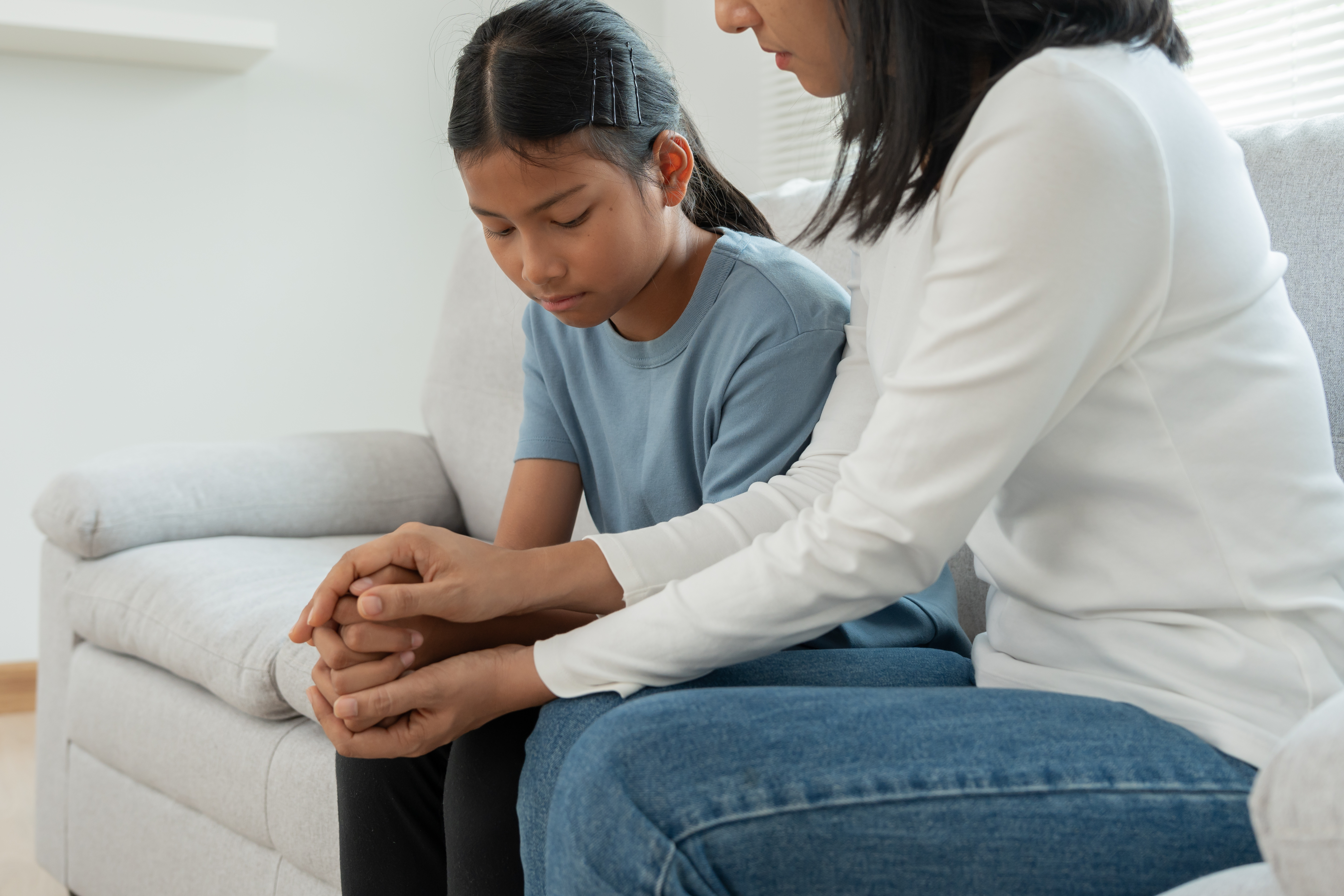
How was it navigating siblings in the house that had different needs?
“It was harder that way. I couldn’t do just one thing with everyone. I had to become the student of the child. I did research on birth order and personality detection. This meant looking at how they acted before everything happened. Like with one of your sisters, she didn’t talk much. The youngest was more emotional. You, the oldest, liked to talk through things. Zoom calls and education on trauma helped on how to parent it and how trauma and personalities show up in children.”
How did you manage your own wellbeing during this time?
“I walked, exercised, and took care of myself with healthy stress outlets. I talked with people that were supportive and would just listen. I had a partner, so we would go away from the house and discuss things privately. We would have date nights where we didn’t talk about anything going on, just to have fun and decompress. On rare occasions we would discuss what we’ve done well and what we could do better next time.”
What does being a kinship caregiver look like?
“It looks like being a loving parent with a little extra patience and thicker skin. When they say, “I want my mommy,” after you’ve spent all day taking care of them, it could hurt your feelings if you didn’t have thick skin. It’s just our flesh. It's normal, but you can’t give into it. The flesh says "I've done all this for you, how can you not be happy here?” No matter how bad things were, to them, home is home and they love their mom. Maturity changed that. The appreciation and gratefulness came later as they learned and matured. We never regretted having to take y'all in. I am now able to help other grandparents with their experiences from what I learned from my mistakes.”
How is your life now, after the case has been closed and your grandchildren have grown up or are back living with bio parents?
“Life is good. I am grateful for the things I have been through and my purpose is now turned towards other grandparent friends who are going through something similar. Grandparents raising grandchildren is on the rise in Alabama due to the opioid crisis. Families are hurting and now I can pour into others from what I have been through. It gave me a purpose that I wouldn't have had otherwise. I would rather have what I do now than some meaningless, luxurious, retired life that did not serve me nor others.”
Does being a kinship caregiver ever end? Do you feel like you’ve been able to go back to being grandpa and grandmother or do you feel you’ll always be kinship parents first to your grandchildren?
“I don’t think so. I still feel like I am still like a parent to them even if they are reunited with their birth mom. There’s a connection that to me never goes away. In my opinion, it should be nurtured a little bit and should never go away. I try to stay in contact and help out when I can. Be intentional.”
How did the journey affect your mental health?
“It was like a rollercoaster. I never had any major depression or anything like that, but I had struggles with grief and loss and physical fatigue. Overall, as a healthcare professional, I knew that was something that needed to be protected. Mental health is a very vital piece of real estate that you want to take care of in your body.”
What have you learned/how is your life different now that you have had that experience to live through?
“I’ve learned about how to handle stress. I have had to look at the affects my own parenting had on my parenting, and I have a new respect for foster parents.”
How do you manage life today differently than you would have if you never became kinship caregivers?
“It’s made me more compassionate and empathetic towards children and teens, especially those who have had trauma. I’ve learned the value of family and support. You can’t do it alone in isolation; it takes a village.”
What is one piece of advice you could give other kinship caregivers as they navigate their journeys like yours?
“Take one day at a time. Focus on today and the needs that are there, because to think of tomorrow and the future just brings added worry. I would think, ‘if I could just get to bed today with everything done, I’m only going to focus on getting in bed after that and leave the rest for tomorrow.’”

Amazing testimonies like these that call for celebration and encouragement. Kinship care is such a vital aspect of the foster system. If we can bring awareness to the community about the foster system and the needs and experiences they bring, we can provide more support to families like this one. You are not alone in your journey and we thank all kinship caregivers for what they do!
