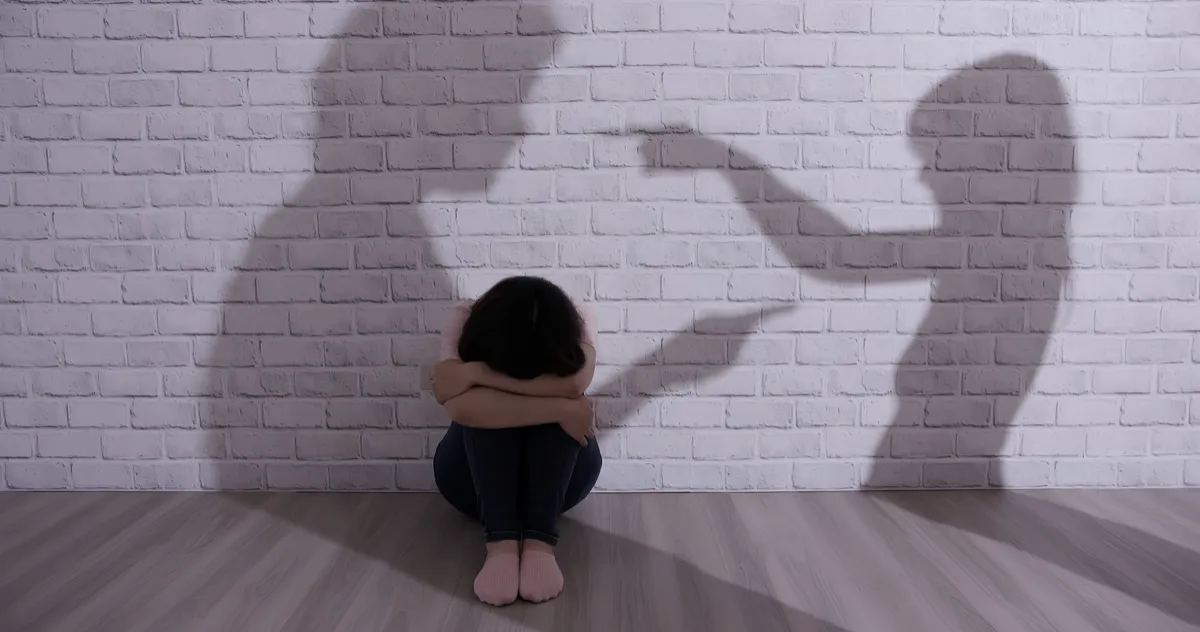
Domestic Violence Awareness Part 1
Domestic violence is far too common in today’s world. Many foster children have experienced some form of abuse, whether directly or as a witness. People hear the words “domestic violence” and only think of physical abuse. Domestic violence goes way beyond that. There are actually many different types of domestic abuse:
Physical - hitting, slapping, shoving, confining, punching, biting, grabbing roughly
Sexual - unwanted sexual acts forced on a victim, manipulating using guilt and pressure to perform sexual acts, used as control or assert power
Psychological - tactics used to cause self-doubt, distort reality, degrade and diminish self-worth, threats, invoke fear, isolation
Emotional - Disrupting the nervous system with harmful words and actions, disregarding feelings, showing no empathy
Spiritual - using spiritual beliefs against someone or to control someone, having a "God" complex
Digital - social media stalking and monitoring, spying, cyberbullying, gps tracking, cutting off all outside communication
Domestic violence abuse can be traumatizing for those experiencing it directly and for those witnessing it. It takes a long time to heal and recover from the abuse, depending on how long the abuse was present. Many victims of domestic violence are not aware of what is happening to them. Sometimes it can be harder to spot when there is no physical, visual proof of the abuse happening. Often, a victim of domestic abuse will believe the behavior toward them is normal or okay. They may be convinced they deserve it. Domestic violence is much more than just physical abuse, it can show up in many ways.
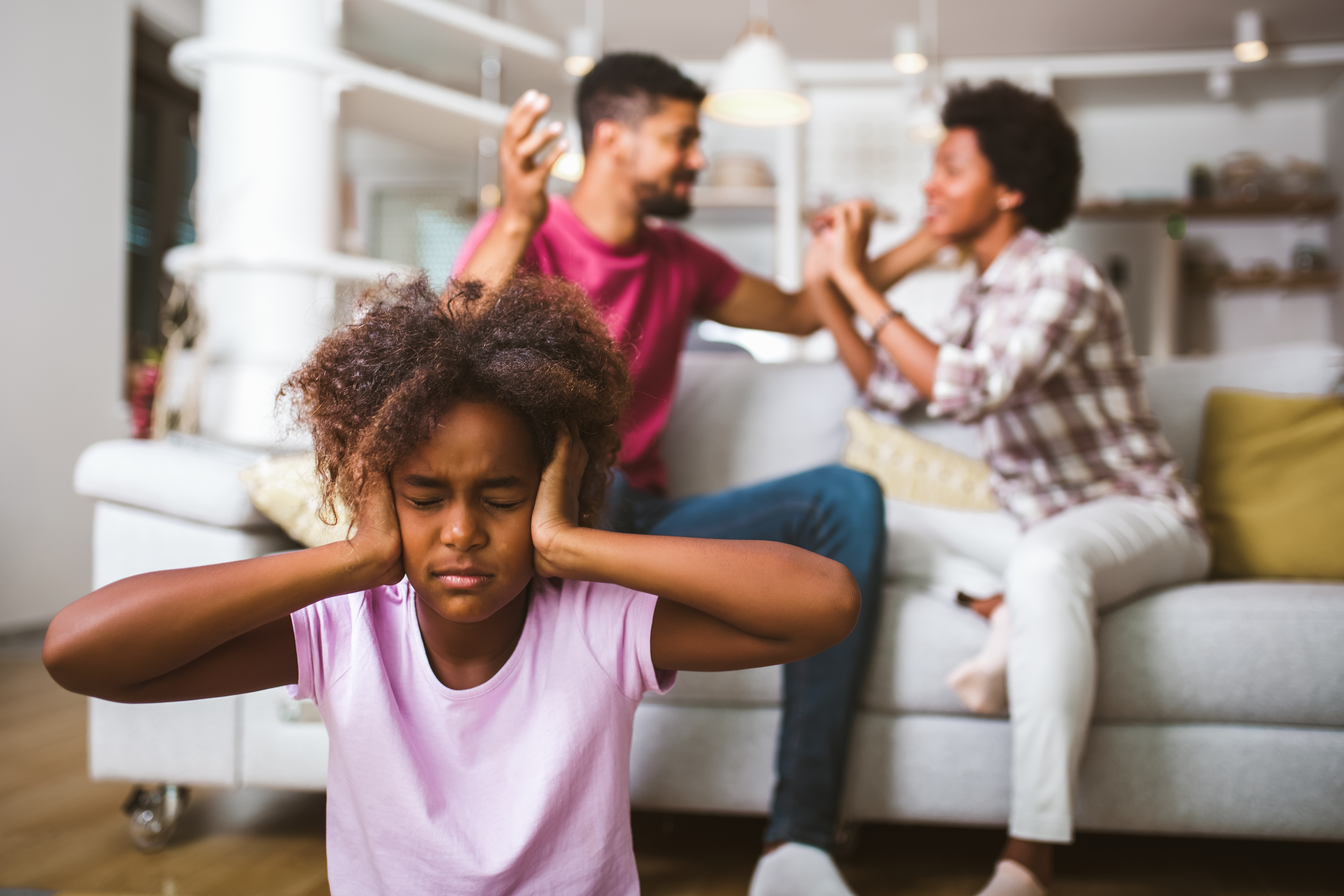
Witnessing Domestic Violence
The impact witnessing domestic violence can have on a child is traumatizing. You grow up seeing unhealthy examples of relationships, receiving the backlash of a parent’s tension, and it affects your nervous system.
At a young age, a kid who grows up in a home where domestic violence is present may exhibit a decline in their behavior and reactivity. This can look like wetting the bed again or having unstable, emotional outbursts. As a child gets older, they may internalize the violence they witness, which can lead to self-image problems, health issues, and behavior changes. Once a child enters teenage and young adult years, they may participate in risky behaviors, develop mental health problems, and act out. They may get in trouble with the law or their behavior shows up in school and through their grades.
Children who are exposed to domestic violence are often affected in ways that extend far beyond the home. Experiencing violence can impact a child's emotional development, sense of safety, and ability to regulate their emotions. As a result, situations in other environments, such as school, social settings, or online interactions, may trigger intense reactions.
For example, witnessing a fight at school may cause a child to panic, become fearful, or break down emotionally. Other children may respond differently by becoming aggressive themselves because they have learned that physical conflict is a normal way to handle anger or frustration. Exposure to domestic violence can influence how children view relationships, solve problems, and interact with others.
Teaching children what healthy relationships look like, how to manage conflict safely, and where to seek help is essential. Helping them understand domestic violence and how to respond when they or someone they know is experiencing it can reduce its lasting impact and promote healthier coping skills.
Learn about domestic violence, advocate for survivors, fight against it, work to make change by spreading awareness and getting educated, and most importantly, listen. If someone speaks up about abuse, try to avoid judging or minimizing their experience. Find out who your safe people are, and find resources available in your area that can help and protect you. If you have suspicions of someone being abused, speak up. If you are suffering, speak up. We believe you, we see you, we hear you, and we want to help you.

For more information on domestic violence, click here.
For possible resources for help and advocacy, visit our resource database, contact your local police department, or search for “Domestic Violence Resources” in your area.
Click here for part two.
